
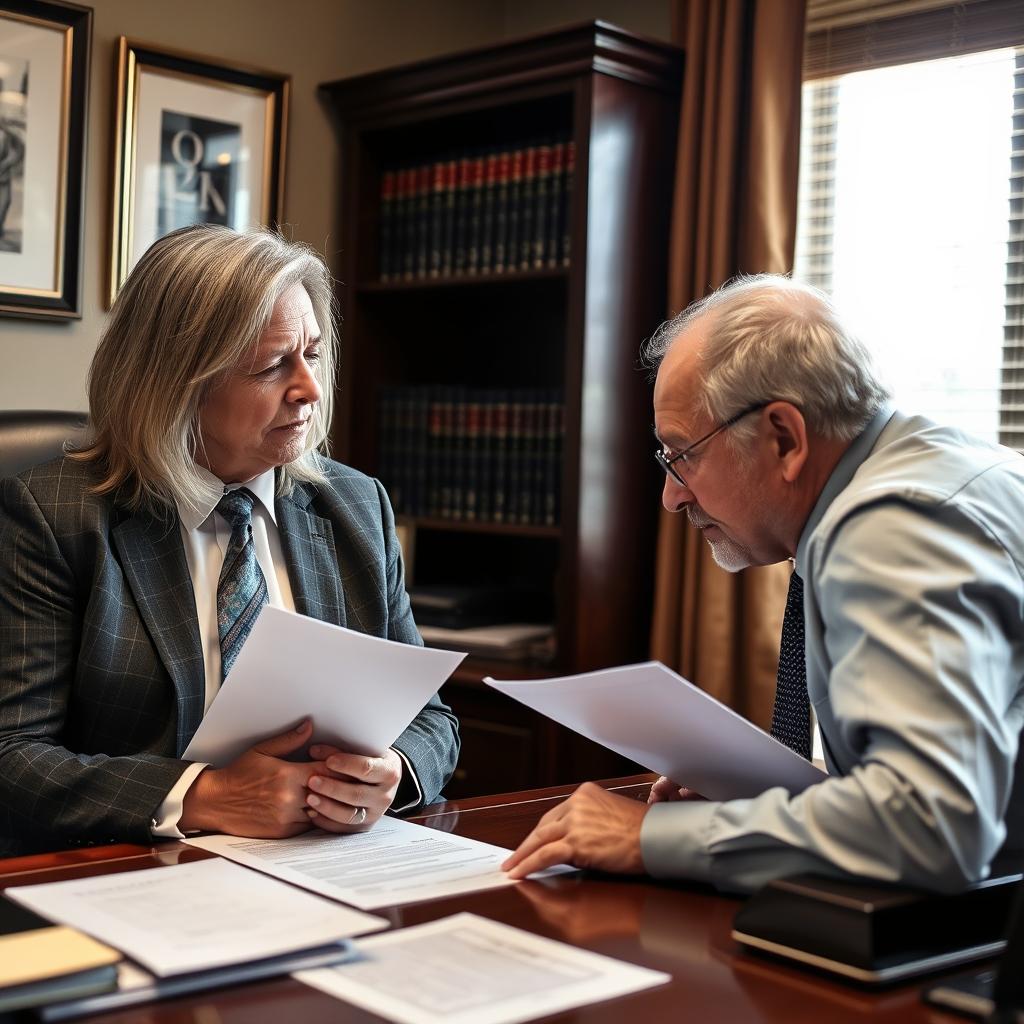
Grand Larceny Lawyer Roanoke County, VA
A grand larceny charge in Virginia is a serious felony that can upend your life. Under Va. Code § 18.2-95, taking property valued at $1,000 or more—or taking any firearm regardless of value—constitutes grand larceny. A conviction carries a potential prison sentence of one to twenty years, or up to twelve months in jail at the discretion of the court. When you face this charge in Roanoke County, the case proceeds through the Roanoke County General District Court for preliminary matters and, if indicted, the Roanoke County Circuit Court for trial. The Commonwealth’s Attorney for Roanoke County prosecutes these cases vigorously, and judges in the Twenty‑third Judicial District approach theft‑related felonies with serious attention to the evidence. Early and knowledgeable legal guidance can change the direction of your case. Mr. Sris and the firm’s Of Counsel attorneys defend individuals accused of grand larceny throughout the Roanoke metro area, including Salem, Vinton, Cave Spring, Hollins, and Catawba. Reach Law Offices Of SRIS, P.C. at (888) 437‑7747 to schedule a consultation. Law Offices Of SRIS, P.C. – Advocacy Without Borders.
What Grand Larceny Means in Roanoke County, Virginia
Grand larceny under Va. Code § 18.2‑95 is a felony offense that arises when the value of the property taken meets or exceeds $1,000, or when a firearm is involved regardless of value. The charge may also stem from theft directly from another person of money or property worth $5 or more. Because Virginia’s grand larceny statute does not assign a fixed class, the punishment is defined directly by the Code: imprisonment for not less than one nor more than twenty years, or, at the jury or court’s discretion, confinement in jail for a period not exceeding twelve months. This structure gives the trier of fact considerable room to tailor a sentence.
In Roanoke County, a person arrested on a grand larceny warrant is typically brought before a magistrate for bond determination. The magistrate may grant personal recognizance in some circumstances, but a secured bond is more common for felony charges. An initial appearance before the Roanoke County General District Court follows, where the court will address bond and schedule a preliminary hearing. At the preliminary hearing the prosecution must establish probable cause; if it does, the case is certified to the Roanoke County Circuit Court for indictment and trial. The Circuit Court, located at 305 East Main Street, Salem, VA 24153, handles all felony trials in the county. The procedural path—from arrest through preliminary hearing to potential trial—can be shaped by strategic motions and early engagement with the Commonwealth’s Attorney. Familiarity with the local docket, the judges’ expectations, and the nuances of property‑theft law in the Twenty‑third Judicial District allows an experienced defense to identify weaknesses in the prosecution’s case well before trial.
The communities we serve—Salem, Vinton, Cave Spring, Hollins, and Catawba—each access the same Roanoke County court system, but the real‑world impact of a grand larceny charge follows a person into every neighborhood. A felony conviction can bar employment opportunities, professional licensing, and even housing. Because Virginia law does not permit plea bargaining at the judicial level—the judge is not a party to negotiations—any resolution short of trial requires direct work with the prosecutor. Our firm’s familiarity with the local prosecutors’ practices enables us to explore charge amendments, deferred dispositions, and other alternatives that may reduce the immediate and long‑term consequences of a theft allegation.
How Mr. Sris and the Firm’s Of Counsel Attorneys Handle Grand Larceny Cases
When you engage our firm, we begin by examining every facet of the prosecution’s evidence. A grand larceny charge often rests on witness statements, surveillance footage, inventory records, or valuation methodologies that can be challenged. Mr. Sris and the firm’s Of Counsel attorneys scrutinize whether the property’s value truly meets the statutory threshold, whether the alleged taking was without consent, and whether the chain of custody for any physical evidence complies with Virginia’s rules. Where procedural missteps occurred—such as an unlawful search, a defective warrant, or a failure to protect your constitutional rights during questioning—we file the appropriate motions to suppress evidence or dismiss the charge.
Throughout the preliminary hearing stage in the General District Court, we work to test the Commonwealth’s case before a grand jury returns an indictment. Cross‑examining the arresting officer, the alleged victim, and any expert witnesses at the preliminary hearing can expose factual gaps and sometimes lead to a negotiated resolution that avoids Circuit Court altogether. If the case proceeds to the Circuit Court, we continue to engage with the assigned prosecutor to explore resolutions that fit your individual circumstances. When trial becomes necessary, we prepare thoroughly—identifying the jurors’ perspective, preparing you for direct and cross‑examination, and presenting the strongest available defense under Va. Code § 18.2‑95 and its interplay with other statutes. We also evaluate whether first‑offender or deferred‑disposition options may apply, and we advise you candidly on the risks and benefits of a trial versus a negotiated outcome. Results may vary.
About Mr. Sris and the Firm’s Of Counsel Attorneys
Mr. Sris, Owner and Founder of Law Offices Of SRIS, P.C., founded the firm in 1997 and has concentrated his practice on criminal defense for nearly three decades. A former prosecutor, he draws on firsthand insight into how the prosecution builds a case. Mr. Sris testified before the Virginia House Courts of Justice Committee in support of 2019 HB 635 (chief patron Del. David Bulova). He is admitted in Virginia, Maryland, the District of Columbia, New Jersey, and New York, enabling the firm to serve clients across multiple jurisdictions.
The firm’s Of Counsel attorneys include practitioners with extensive experience in Virginia criminal courts. Together, Mr. Sris and the firm’s Of Counsel attorneys bring extensive combined legal experience to every grand larceny matter. They work as a team to analyze the evidence, confer with you at each stage, and advocate for the most favorable outcome the facts allow. Results may vary.
Frequently Asked Questions
What is the legal threshold for grand larceny in Virginia?
Grand larceny under Va. Code § 18.2‑95 requires that the property taken be valued at $1,000 or more, or that a firearm be taken regardless of its value. Additionally, theft directly from another person of money or property worth at least $5 qualifies as grand larceny even if the item’s market value is below the $1,000 mark. The prosecution must prove value beyond a reasonable doubt, and an experienced attorney will often challenge the valuation method to seek a reduction of the charge to petit larceny—a Class 1 misdemeanor—if the evidence is weak.
What penalties does a grand larceny conviction carry?
A grand larceny conviction in Virginia is punishable by imprisonment of one to twenty years in a state correctional facility, or up to twelve months in jail at the discretion of the jury or court. Beyond incarceration, a felony conviction can result in a substantial fine, restitution to the alleged victim, and a permanent criminal record that affects employment, professional licensing, housing, and firearm rights. The sentence varies significantly depending on the facts of the case, the defendant’s prior record, and the arguments presented by defense counsel.
How does a lawyer defend against grand larceny charges?
Defense strategies for grand larceny in Virginia typically focus on challenging the valuation of the property, disputing the element of intent, and scrutinizing the legality of how evidence was obtained. An experienced defense may present evidence that the property’s fair market value is below $1,000, that you had a claim of right or consent to take the item, or that identifying witnesses are unreliable. Where law enforcement conducted a search without a valid warrant or failed to follow constitutional procedures, your attorney can file motions to suppress evidence. Each case turns on its specific facts, and a thorough investigation is critical to identifying the strong $1 path.
What should I do if I am charged with grand larceny in Roanoke County?
If you are charged with grand larceny in Roanoke County, contact an attorney immediately and avoid discussing the facts with anyone other than your lawyer. Do not post about the case on social media or speak to the alleged victim or any witnesses. Gather and preserve any documents, receipts, or digital records that may relate to the property at issue. The case will begin in the Roanoke County General District Court, and an attorney can enter an appearance quickly to help you navigate the bond process and prepare for the preliminary hearing. Prompt legal representation can influence the direction of the case from the earliest stages.
Can a grand larceny charge be expunged in Virginia?
A grand larceny conviction generally cannot be expunged under Virginia law. Virginia allows expungement under Va. Code § 19.2‑392.2 only for acquittals, nolle prosequi dismissals, or other non‑conviction outcomes. If your grand larceny charge results in a dismissal or an acquittal after trial, you may petition the Roanoke County Circuit Court to expunge the police and court records. A conviction, however, remains on your record permanently absent a gubernatorial pardon. Early defense work aimed at avoiding a conviction is therefore especially important.
For more information about criminal defense in nearby localities, visit our pages on Fairfax County criminal lawyer, Prince William County criminal lawyer, and Manassas criminal lawyer.
View official sources: Va. Code § 18.2‑95 (grand larceny) · Roanoke County General District Court · Virginia Judicial System
Attorney advertising. Prior results do not guarantee a similar outcome. Results may vary.
Case results depend on a variety of factors unique to each case.