
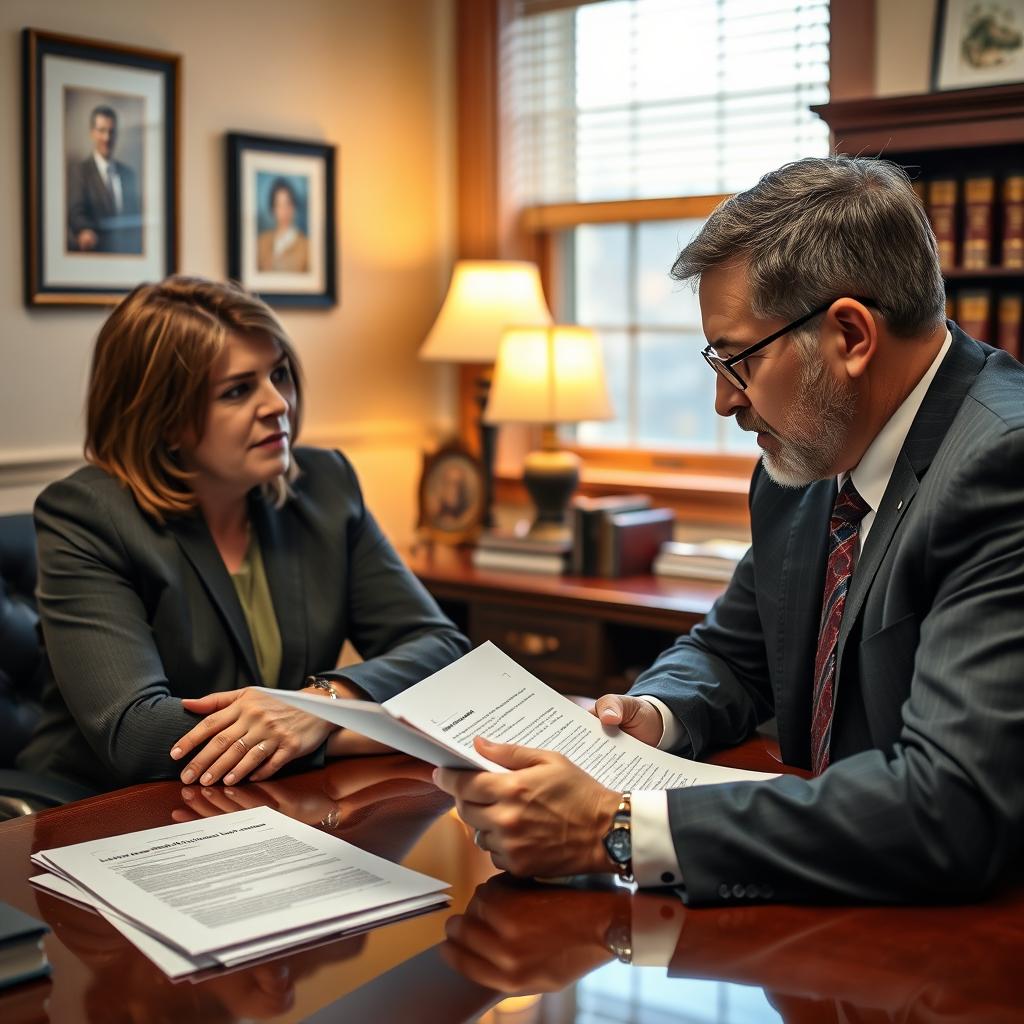
Divorce Lawyer in Fairfax VA
If you are considering divorce in Fairfax, Virginia, the legal process can feel unfamiliar. Law Offices Of SRIS, P.C. Practices family law, including divorce representation, and has served clients across Virginia, Maryland, the District of Columbia, New Jersey, and New York since 1997. The firm’s location in Fairfax is by appointment, and the toll‑free number to request a consultation is (888) 437‑7747.
Law Offices Of SRIS, P.C. – Advocacy Without Borders.
What Divorce Means in Fairfax, Virginia
Fairfax County is the most populous jurisdiction in the Commonwealth, and its Circuit Court handles all divorce cases under Title 20 of the Virginia Code. A divorce in Fairfax is determined by Virginia law, which recognizes both fault‑based and no‑fault grounds. No‑fault divorce is available when the parties have lived separate and apart without cohabitation for the period set out in the statute; fault grounds include adultery, cruelty, and desertion, each of which must be proven with corroborated evidence. Because the Fairfax Circuit Court’s docket moves at the court’s schedule, the time from filing to final decree depends on the specific facts of each case, including whether the matter is contested or uncontested.
The court issues a final decree of divorce that addresses the dissolution of the marriage itself, and it may also resolve ancillary matters such as equitable distribution of marital property and debt, spousal support, and, if minor children are involved, child custody, visitation, and child support. Fairfax County’s Family Law Department uses the court’s scheduling and case‑management procedures, and parties are expected to comply with pretrial standing orders and discovery obligations. Mr. Sris and the firm’s Of Counsel attorneys are experienced in guiding clients through each stage of a Fairfax divorce, from initial pleading to entry of the final order.
How Mr. Sris and the Firm’s Of Counsel Attorneys Handle Divorce Cases
Law Offices Of SRIS, P.C. approaches divorce matters by working to understand the client’s goals—whether that means negotiating a comprehensive separation agreement, litigating contested issues at trial, or structuring a settlement that minimizes conflict. Mr. Sris and the firm’s Of Counsel attorneys review the financial documentation, assess the legal grounds available, and prepare the pleadings required by the Fairfax Circuit Court. Because Virginia is an equitable‑distribution state, property division is not automatically equal; the court considers factors listed in the Code. The firm works to present a clear picture of the marital estate and the contributions of each spouse so the court can render a decree that reflects the equities.
When children are involved, the focus shifts to their best interests. Virginia law requires the court to consider statutory factors to determine custody and parenting time. The firm’s attorneys can assist in negotiating or litigating those issues, always keeping the child’s welfare as the central concern. Mr. Sris and the firm’s Of Counsel attorneys bring extensive combined legal experience to divorce and family law matters. Results may vary.
About Mr. Sris and the Firm’s Of Counsel Attorneys
Mr. Sris, Owner and Founder of Law Offices Of SRIS, P.C., is admitted to practice in Virginia, Maryland, the District of Columbia, New Jersey, and New York. A former prosecutor, he has direct experience in courtroom advocacy and understands how to present a case before a judge. Mr. Sris testified before the Virginia House Courts of Justice Committee in support of 2019 HB 635 (chief patron Del. David Bulova). The firm’s Of Counsel attorneys are independent practitioners who contract directly with the firm, and together they bring extensive combined legal experience to divorce and family law representation in Fairfax and throughout Northern Virginia. To request a consultation, reach the firm at (888) 437‑7747.
Frequently Asked Questions
How is property divided in a Fairfax County divorce?
Virginia follows equitable distribution, which means the court divides marital property fairly, though not necessarily equally, based on a list of statutory factors. The court classifies all assets and debts as separate, marital, or hybrid, then determines an equitable division. Factors include each spouse’s contributions to the acquisition and care of the property, the length of the marriage, the tax consequences, and the grounds for divorce. Separate property—assets owned before marriage or received by gift or inheritance—is generally not divided, though any increase in value that results from marital effort may be subject to division. The firm’s attorneys can help you identify and value marital assets in a Fairfax case.
Do I need a lawyer for an uncontested divorce in Fairfax, VA?
You are not legally required to hire a lawyer for an uncontested divorce in Virginia, but legal guidance can help ensure that your separation agreement addresses all necessary issues and that the final decree is drafted correctly. Even when both spouses agree on terms, the Fairfax Circuit Court still requires proper pleadings, a signed marital settlement agreement, and testimony or affidavits to prove the grounds. Mistakes in the paperwork can delay the case or lead to unintended consequences. Mr. Sris and the firm’s Of Counsel attorneys can prepare or review your agreement and shepherd the uncontested matter through the court to an efficient final decree.
What are the residency requirements to file for divorce in Fairfax?
At least one spouse must be a domiciliary and bona fide resident of Virginia for the period required by statute—and, for a suit filed in Fairfax County, the parties must also meet any local filing requirements that the Circuit Court applies. Typically, that means the plaintiff must have lived in Virginia for at least six months before filing, but more specific residency and venue rules apply. Because the court’s jurisdiction depends on proper venue and service, the firm’s attorneys verify these requirements early in the process to avoid dismissal or delay.
How long does it take to get a divorce in Fairfax County?
The timeline for a divorce in Fairfax depends on whether it is contested or uncontested, the court’s docket, and how quickly the necessary documents are filed and served. An uncontested, no‑fault divorce that proceeds on affidavits and a signed agreement can move relatively quickly once the statutory separation period is met. A contested divorce, by contrast, may involve discovery, pendente lite hearings, and a trial—all of which extend the timeline. The firm cannot promise a specific date; the timeline is governed by the court’s calendar and the complexity of the issues in your case.
What is a Pendente Lite hearing in a Fairfax divorce?
A Pendente Lite hearing is a temporary hearing held early in a contested divorce case to address urgent matters such as spousal support, child custody, or possession of the marital home while the divorce is pending. In Fairfax County, these hearings are scheduled by the court and provide interim relief until the final trial. The court may order temporary support, establish a parenting schedule, and restrain either party from dissipating assets. The firm’s attorneys can represent you at a Pendente Lite hearing and work to secure a livable arrangement while the case proceeds.
Can I get spousal support in a Fairfax County divorce?
Virginia law allows a court to order spousal support, commonly called alimony, after considering the requesting spouse’s need and the other spouse’s ability to pay, along with a list of statutory factors. The court may award support on a temporary basis while the divorce is pending (pendente lite support) and reserve jurisdiction to determine permanent support in the final decree. Factors include the duration of the marriage, the standard of living during the marriage, each spouse’s income and earning capacity, and the contributions each spouse made to the family. The firm’s attorneys can help you pursue or defend against a spousal‑support claim.
Internal Links
- Uncontested Divorce Lawyer in Fairfax VA
- High‑Asset Divorce Lawyer in Fairfax VA
- Child Custody Lawyer in Fairfax VA
- Spousal Support Lawyer in Fairfax VA
Virginia Legal Resources
Outbound primary‑source authority links open in a new tab:
Virginia Code Title 20 (Domestic Relations) ·
Fairfax Circuit Court ·
Virginia Judicial System
Attorney advertising. Prior results do not guarantee a similar outcome.
Results may vary.
Case results depend on a variety of factors unique to each case.