
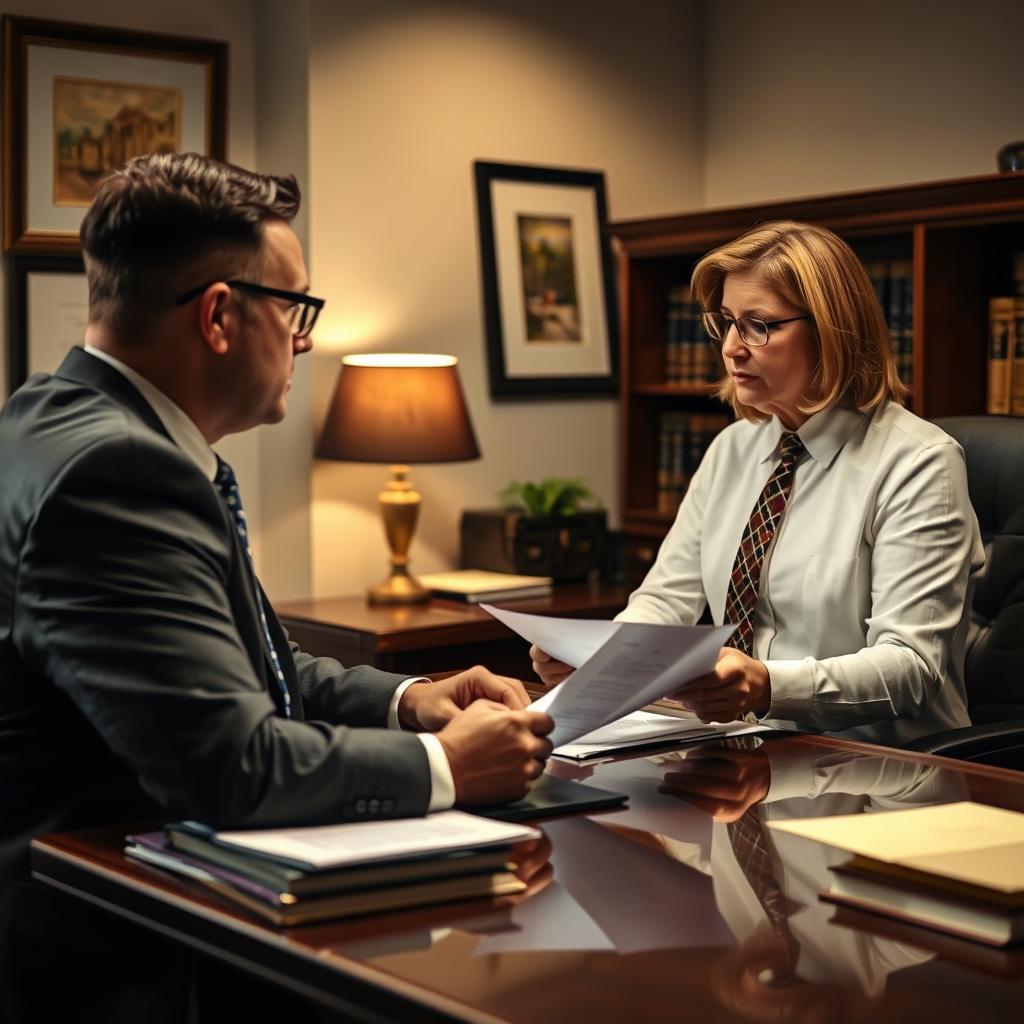
Destruction of Property Defense Lawyer Louisa County, VA
Under Virginia Code § 18.2‑137, intentionally damaging another person’s property is a criminal offense. If the damage is valued at less than $1,000, the charge is a Class 1 misdemeanor; if the damage reaches $1,000 or more, it becomes a Class 6 felony. A conviction can bring jail time, fines, a permanent criminal record, and a court order to pay restitution. In Louisa County, these cases are prosecuted by the Commonwealth’s Attorney in the Louisa County General District Court for misdemeanors and preliminary hearings, and in the Louisa County Circuit Court for felony trials. Mr. Sris and the firm’s Of Counsel attorneys defend individuals facing destruction‑of‑property allegations throughout Louisa County, including in Louisa, Mineral, and Zion Crossroads. To request a consultation, call (888) 437‑7747. Law Offices Of SRIS, P.C. – Advocacy Without Borders.
What a Destruction of Property Charge Means in Louisa County
Virginia law treats destruction of property—sometimes called criminal mischief or vandalism—as a serious matter. The crucial factor is the dollar value of the damage. A repair estimate that stays under $1,000 keeps the charge a Class 1 misdemeanor, punishable by up to 12 months in jail and a $2,500 fine. A valuation at or above $1,000 elevates the offense to a Class 6 felony, carrying a potential sentence of one to five years in prison. In Louisa County, felony cases begin in the General District Court with a preliminary hearing before potentially moving to Circuit Court for trial.
Louisa County lies within the Sixteenth Judicial District, and the Commonwealth’s Attorney for the county decides how to proceed with each case. Because the charge classification turns so heavily on the property’s value, one of the first tasks for defense counsel is to scrutinize the basis for the claimed dollar amount. A repair estimate that is inflated or unsupported by documentation can be challenged. Mr. Sris and the firm’s Of Counsel attorneys bring experience evaluating damage valuations and contesting the prosecutor’s evidence. In addition, Louisa County offers first‑offender programs under Virginia Code § 19.2‑303.2 that may allow a defendant to complete probation and have the charge dismissed without a conviction—an option worth exploring early in the process.
How Mr. Sris and the Firm’s Of Counsel Attorneys Handle Destruction of Property Cases
A destruction‑of‑property defense begins with a careful review of the state’s evidence. The firm’s attorneys examine police reports, witness statements, photographs, and repair or replacement invoices to identify weaknesses. In many cases, the defense turns on the damage valuation. Because the dividing line between a misdemeanor and a felony is the $1,000 threshold, actively challenging inflated estimates can reduce a client’s exposure significantly.
Beyond the valuation issue, the firm explores whether the prosecution can prove intent. Virginia law requires that the damage be intentional, not accidental. Consent by the property owner, mistaken identity, or an alibi may also defeat the charge. When the evidence is strong, the firm’s attorneys negotiate with the Commonwealth’s Attorney to seek an amendment to a lesser offense or entry into a first‑offender program. If trial is necessary, Mr. Sris and the firm’s Of Counsel attorneys are prepared to present a thorough defense in the Louisa County courts. Throughout the process, the goal is to protect the client’s record, avoid jail time, and minimize the long‑term consequences of a criminal conviction. Results may vary.
About Mr. Sris and the Firm’s Of Counsel Attorneys
Mr. Sris, Owner and Founder of Law Offices Of SRIS, P.C., is a former prosecutor who has practiced criminal defense since 1997. Admitted in Virginia, Maryland, the District of Columbia, New Jersey, and New York, he brings decades of courtroom experience to every matter. Mr. Sris testified before the Virginia House Courts of Justice Committee in support of 2019 HB 635 (chief patron Del. David Bulova).
The firm’s Of Counsel attorneys add further depth. One Of Counsel attorney served 15 years as a Virginia State Trooper before entering private practice, giving the team direct insight into law‑enforcement investigative methods and report‑writing. That background is particularly valuable when challenging the factual basis of a destruction‑of‑property charge. Together, Mr. Sris and the firm’s Of Counsel attorneys approach each case with a commitment to a well‑prepared defense that addresses both the legal and the personal consequences a charge can bring.
Frequently Asked Questions
What counts as destruction of property under Virginia law?
Destruction of property under Virginia Code § 18.2‑137 is the intentional damaging or defacing of another person’s real or personal property. It can include everything from breaking a window to keying a car, spray‑painting graffiti, or slashing tires. The offense does not require that the property be completely destroyed—any measurable harm is enough. The statute applies regardless of whether the property is public or private. If the damage was accidental, however, the required element of intent is missing, and a conviction may not be sustainable.
For a consultation, reach Mr. Sris and the firm’s Of Counsel attorneys at (888) 437‑7747.
How is the value of the damage determined?
The value of the damage is typically determined by the cost to repair or replace the affected property. The prosecution may present estimates from contractors, body shops, or retail receipts. Defense counsel can challenge those estimates by demanding documentation, obtaining independent appraisals, or showing that the claimed amount includes pre‑existing damage. Because the threshold separates a misdemeanor from a felony, a careful valuation analysis is often the most critical part of the defense. The final determination is a question of fact for the court or jury.
What are the penalties for a first‑offense destruction of property conviction in Louisa County?
If the damage is under $1,000, the offense is a Class 1 misdemeanor carrying up to 12 months in jail and a $2,500 fine. A Class 6 felony, for damage valued at $1,000 or more, can mean one to five years in prison. A judge may also order restitution—meaning the defendant must repay the victim for the loss—and place the defendant on probation. A conviction creates a permanent criminal record that can affect employment, housing, and educational opportunities. First‑offender programs under Virginia Code § 19.2‑303.2 may be available to avoid a conviction on a first offense.
Can a destruction of property charge be reduced or dismissed?
Yes, a destruction of property charge can be reduced or dismissed depending on the facts and the evidence. If the defense can show that the damage amount is under $1,000, the charge may be reduced from a felony to a misdemeanor. Procedural errors, lack of intent, consent of the owner, or mistaken identity can lead to a dismissal. The Commonwealth’s Attorney may also agree to amend the charge to a lesser offense as part of a negotiated resolution. In some cases, completing a first‑offender program results in the charge being dismissed entirely.
Do I need a lawyer for a destruction of property charge in Louisa County?
While you are not legally required to have a lawyer, representing yourself in a criminal case—even a misdemeanor—is risky. Criminal charges carry the possibility of jail time and a record that can follow you for years. An experienced defense attorney can evaluate the evidence, challenge the damage valuation, negotiate with the prosecutor, and protect your rights at every stage. Without legal training, you may miss defenses or procedural deadlines that could significantly alter the outcome. If you are facing a charge, it is wise to consult with counsel as early as possible.
What defenses are available in a destruction of property case?
Common defenses include lack of intent, consent of the property owner, mistaken identity, and challenging the valuation of the damage. Because the statute requires intentional conduct, evidence that the damage was an accident can defeat the charge. If the owner gave permission for the act that caused the damage, there is no crime. Witness‑identification issues and alibi evidence can also create reasonable doubt. The firm’s attorneys explore all of these angles based on the specific facts of each case. For guidance on your specific situation, contact Law Offices Of SRIS, P.C. at (888) 437‑7747.
Related Criminal Defense Pages
Fairfax County Criminal Defense Lawyer | Prince William County Criminal Defense Lawyer | Manassas Criminal Defense Lawyer
Authoritative Sources
Virginia Code § 18.2‑137 (Destruction of Property) | Louisa County General District Court | Louisa County Circuit Court
Attorney advertising. Prior results do not guarantee a similar outcome. Results may vary.
Case results depend on a variety of factors unique to each case.