
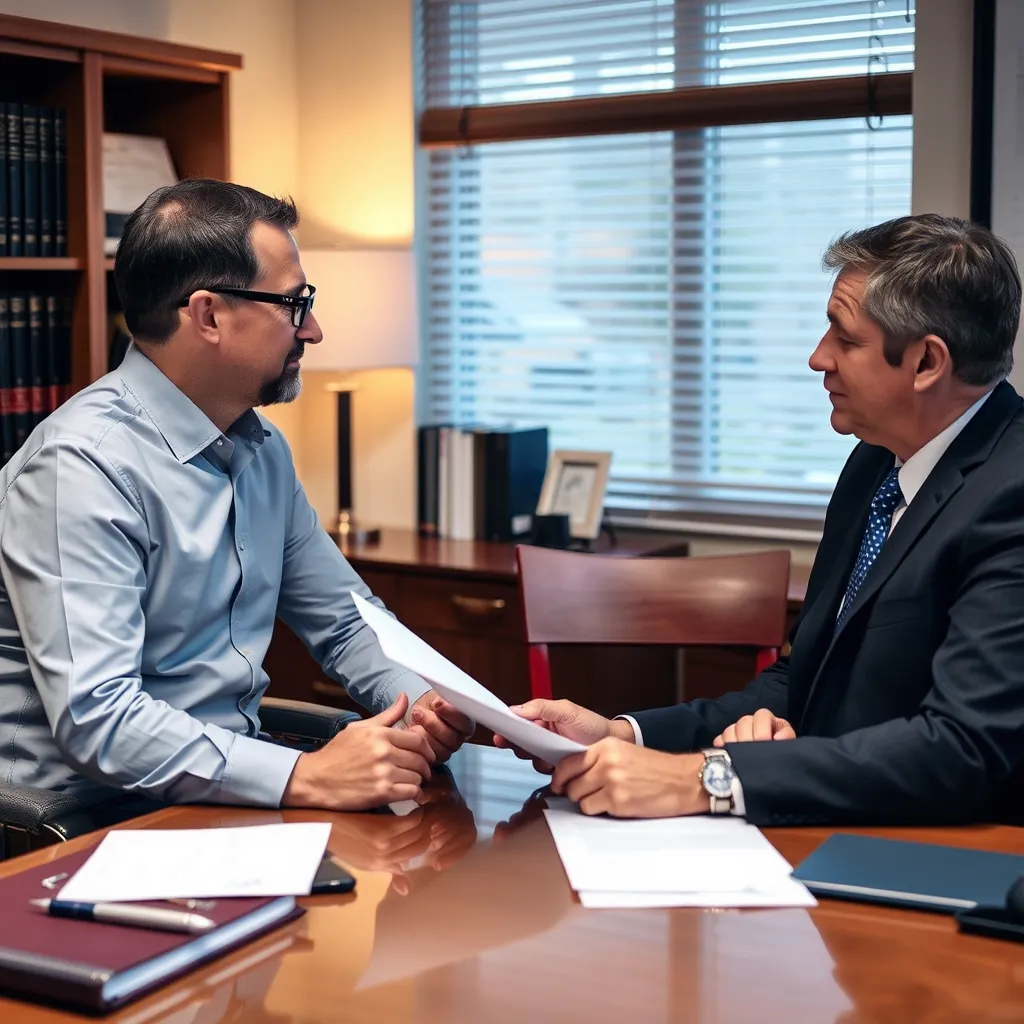
Military Divorce Lawyer in Falls Church, VA
Divorce is inherently challenging, but when military service intersects with the legal process, the complexity multiplies exponentially. Military divorce law introduces unique jurisdictional hurdles, specialized custody considerations, and unique financial factors that general family law practitioners may not fully grasp. If you are navigating the dissolution of a marriage while one or both parties are active-duty service members, understanding the specific legal landscape in Falls Church, VA, is critical to protecting your rights and securing a stable future.
At Law Offices Of SRIS, P.C., we understand that military life brings with it a unique set of legal variables—from deployment schedules affecting visitation to the complexities of service-connected disabilities influencing support payments. Our practice is built on decades of experience handling these intricate matters across multiple jurisdictions, ensuring that your case receives the focused attention and specialized knowledge it deserves. We are dedicated to providing comprehensive divorce defense at our firm, tailored specifically to the needs of military families in the Northern Virginia area.
What is a Military Divorce Lawyer in Falls Church, VA?
A Military Divorce Lawyer in Falls Church, VA, is an attorney who possesses extensive experience not only in Virginia family law but also in the specific statutes, regulations, and unique legal frameworks governing service members. These lawyers must be proficient in navigating the intersection of state law (Virginia Code) and federal military regulations (UCMJ implications). They understand that a divorce case involving service members is rarely just about dividing assets; it often involves complex issues of custody, support, and post-service transition.
Navigating Jurisdictional Challenges
One of the most common pitfalls in military divorce cases is jurisdiction. Determining which court—state or federal—has the proper authority to hear the case can be a source of significant delay and conflict. A skilled local attorney must analyze the service member’s status, location, and residency history to establish the correct forum. This initial assessment is vital because an improperly filed case can jeopardize your ability to enforce custody orders or secure financial settlements.
Unique Custody and Support Issues
Military service introduces variables that civilian divorce law does not account for. For example, custody arrangements must often factor in deployment cycles, PCS moves (Permanent Change of Station), and the impact of active duty on parenting time. Furthermore, support calculations may need to account for military pay structures or disability compensation. Our team is equipped to handle these specialized financial and custodial disputes, ensuring that your settlement reflects both state law and service-specific realities.
How Mr. Sris and the Firm’s Of Counsel Attorneys Handle Military Divorce Cases in Falls Church
Handling a military divorce case in Falls Church requires more than just knowledge of Virginia law; it demands a strategic, multi-faceted approach that anticipates federal regulations and local jurisdictional nuances. Our process begins with an intensive, confidential consultation to map out the entire scope of your situation. We do not rely on generalized advice. Instead, we build a comprehensive legal strategy around your specific circumstances, whether you are dealing with separation while deployed, navigating custody disputes across state lines, or managing the division of assets acquired during service.
The initial phase involves a thorough documentation review, gathering everything from military records and pay stubs to prenuptial agreements. We then assess the applicable jurisdiction, determining the most advantageous legal venue for your case. Throughout the litigation process, we maintain constant communication with you, translating complex legal jargon into actionable advice. Our goal is always to achieve the most favorable resolution—whether through active negotiation or through courtroom advocacy—while minimizing disruption to your life and your family’s stability. We guide clients through every step, from filing initial pleadings to finalizing the settlement agreement.
About Mr. Sris and the Firm’s Of Counsel Attorneys
Law Offices Of SRIS, P.C. was founded on a commitment to providing tenacious, highly specialized legal representation across multiple complex fields. Mr. Sris, Owner and Founder, brings decades of experience to every case. His background includes serving as a former prosecutor, giving him an extensive understanding of how the legal system operates from both sides. He is admitted in Virginia, Maryland, the District of Columbia, New Jersey, and New York, allowing us to serve clients across the Mid-Atlantic region with deep jurisdictional knowledge.
The firm’s commitment to excellence extends to our network of specialized counsel. The firm’s Of Counsel attorneys are highly respected independent practitioners who augment our capabilities, bringing niche experience in various areas of law. When you work with us, you benefit from a collective pool of seasoned legal minds. We provides clients with the highest level of advocacy, leveraging both Mr. Sris’s direct experience and the specialized knowledge of our entire team.
Comprehensive Military Divorce Services in Falls Church
Our practice covers all facets of military family law, including but not limited to: child custody disputes, equitable division of marital assets, spousal support modifications, and navigating the legal fallout from service-related issues. We understand that every divorce is unique, and our approach is always customized. For those needing representation in neighboring areas, we also serve clients seeking a DC divorce lawyer or a Maryland divorce lawyer.
Frequently Asked Questions About Military Divorce in Falls Church
What is the primary difference between civilian and military divorce law?
Generally, the main difference lies in jurisdiction and the impact of federal regulations. Military law introduces considerations like active duty status, deployment cycles, and the Uniform Code of Military Justice (UCMJ), which can affect custody and visitation rights that are not typically addressed in standard civilian family court proceedings.
Does my military status guarantee me better custody rights?
No. While service members often have unique legal protections, custody determinations are always based on the “best interest of the child” standard, which requires a holistic review of the parents’ ability to care for the child, regardless of military status. The specific facts of your case will dictate the outcome.
Can I file for divorce if my spouse is deployed overseas?
Yes, it is often possible, but the process is significantly more complex. A local attorney must establish jurisdiction and determine the appropriate mechanism for filing and service while the service member is outside the immediate geographic area. This requires careful planning.
How does a Permanent Change of Station (PCS) affect divorce proceedings?
A PCS move can complicate residency requirements, which are often central to establishing jurisdiction. We advise clients on how to manage these moves legally, ensuring that your rights and the child’s stability are protected despite geographical changes.
What documents do I need to start a military divorce case?
You will need documentation related to your marriage (marriage certificate), financial records (pay stubs, tax returns), and any military orders or service records relevant to the dispute. Gathering these materials early significantly speeds up the process.
Are there specific laws regarding spousal support for active-duty members?
Spousal support calculations can be affected by military pay structures and potential disability compensation. These factors must be analyzed by an attorney who understands both state and federal financial guidelines to ensure an accurate assessment.
What is the role of mediation in a military divorce?
Mediation can be an efficient way to resolve disputes outside of court, which is often preferable for military families seeking privacy. We can guide you through mediation, helping both parties reach mutually acceptable agreements regarding custody and finances.
How long does a military divorce case typically take in Falls Church?
The timeline varies widely based on the level of dispute, whether the parties agree on terms, and the court’s current docket. While some cases resolve relatively quickly, complex jurisdictional or custody battles can take many months or even years.
Taking the Next Steps Toward Resolution
Divorce is a marathon, not a sprint, and navigating it while managing military obligations adds layers of stress and legal complexity. Do not attempt to handle these matters alone. The law surrounding military divorce in Falls Church, VA, requires specialized attention that only an experienced local firm can provide. We encourage you to reach out to Law Offices Of SRIS, P.C. Today. By speaking with an attorney about your particular situation, you can gain clarity on your rights and the trusted path forward.
Our commitment is to providing clear, authoritative guidance so that when the legal dust settles, you are positioned to rebuild your life with stability and security. Please remember that by appointment only; call (888) 437-7747 to schedule a confidential consultation with our team.
Disclaimer: The information provided on this website is for informational purposes only and does not constitute legal advice. Every divorce case is unique, and the outcome depends entirely on the specific facts and applicable law. You should consult with a qualified attorney regarding your particular situation.
Case results depend on a variety of factors unique to each case.
Attorney advertising. Prior results do not guarantee a similar outcome.