
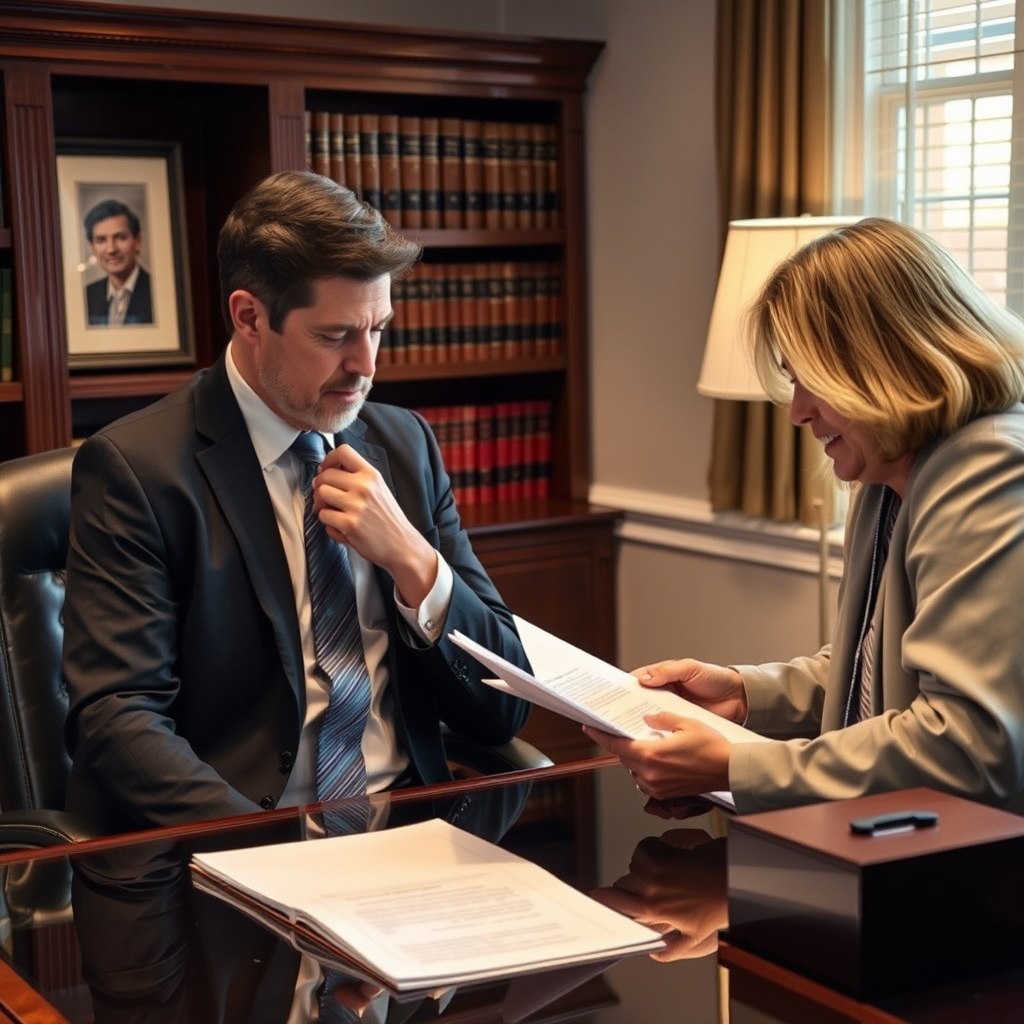
Virginia Estate and Will Lawyer: Protecting Your Legacy in Fairfax
As of December 2025, the following information applies. In Virginia, estate and will planning involves legally determining how your assets will be distributed and who will care for your dependents after you pass away, and designating agents for your healthcare and finances if you become incapacitated. A lawyer for estate and will helps draft comprehensive documents like wills, trusts, and powers of attorney to ensure your wishes are honored and your loved ones are protected.
Confirmed by Law Offices Of SRIS, P.C.
What is Estate and Will Planning in Virginia? The Real-Talk Version.
Look, talking about estate and will planning isn’t exactly a Saturday night thrill. It often feels heavy, like you’re staring down something you’d rather avoid. But here’s the blunt truth: it’s one of the most loving and responsible things you can do for your family. In Virginia, estate and will planning isn’t just about drafting a few papers. It’s about legally setting up how your assets – from your home to your savings, even those sentimental family heirlooms – will be distributed after you’re gone. It’s also about much more than just death; it’s about life. Who will make medical decisions for you if you can’t? Who will manage your finances if you become incapacitated? And for parents, who steps in to care for your kids? Without a clear plan, the state steps in, and believe me, their plan rarely matches yours. We’re talking about ensuring your peace of mind and protecting your loved ones from potential chaos, financial strain, and family disputes during an already difficult time. It’s about taking control of your future, no matter what it holds.
Takeaway Summary: Estate and will planning in Virginia provides essential legal guidance to manage assets, healthcare, and guardianship, ensuring your wishes are honored and your family is protected from uncertainty. (Confirmed by Law Offices Of SRIS, P.C.)
How to Create Your Estate and Will Plan in Virginia: Your Step-by-Step Guide
Embarking on estate and will planning in Virginia can feel like a big project, but breaking it down into clear, actionable steps makes it much more approachable. It’s a process that ensures your voice echoes beyond your lifetime, securing your legacy and providing for those you care about most. Here’s a pragmatic, step-by-step guide to setting up a robust plan that works for you and your family.
Understand Your Assets and Debts: The Foundation
Before you can distribute anything, you need a crystal-clear inventory of everything you own and owe. This includes real estate, bank accounts, investments, retirement funds, life insurance, and even cherished personal items. On the flip side, list out all your liabilities: mortgages, car loans, personal debts, and credit card balances. Getting a precise picture of your entire financial landscape is absolutely fundamental. It’s like building a house – you wouldn’t start without a solid blueprint. This comprehensive understanding allows your attorney to help you craft a truly effective plan, preventing future headaches for your beneficiaries.
Identify Your Beneficiaries: Who Benefits from Your Legacy?
This is often the most personal, and sometimes emotionally challenging, part of the process. Who do you want to receive your assets and why? This includes primary beneficiaries for specific assets and contingent beneficiaries in case your primary choices are no longer able to inherit. Be incredibly specific. It’s not just about listing names; it’s about articulating your wishes, whether it’s leaving a specific heirloom to a grandchild or a percentage of your estate to a beloved charity. A clear statement in your will acts as a powerful protector of your family’s harmony.
Choose an Executor (Personal Representative): The Manager of Your Estate
Your executor, officially known as a personal representative in Virginia, is the trusted individual who will meticulously carry out the instructions outlined in your will. This isn’t just an honorary title; it’s a demanding role. They’ll be responsible for locating assets, paying off debts and taxes, and ultimately distributing your property to your beneficiaries according to your precise directions. You need someone reliable, organized, and capable of managing both legal and financial complexities. It’s wise to name at least one alternate executor in case your primary choice is unable or unwilling to serve.
Appoint Guardians for Minor Children (if applicable): Protecting Your Little Ones
For parents, this decision is often the most significant and emotionally charged aspect of estate planning. Should both parents pass away, your will is the only legal document that allows you to name who will become the legal guardian of your minor children. This person or couple will be responsible for their daily care, upbringing, education, and overall well-being. This requires careful consideration of values, lifestyle, stability, and, importantly, a conversation with your chosen guardians to ensure they are willing and able to take on this profound responsibility. It’s an undeniable act of love and foresight.
Consider a Trust (and Different Types): Enhanced Control and Privacy
While a will is fundamental, a trust can provide an additional layer of sophistication and control for your estate plan, especially for larger estates, those with specific beneficiary needs, or a desire for greater privacy. Trusts can help assets avoid the often time-consuming and public probate process. They can be structured to provide for beneficiaries with special needs without jeopardizing government benefits, or to control when and how assets are distributed. Common types include revocable living trusts, irrevocable trusts, and special needs trusts. A trust isn’t for everyone, but for many, it offers unparalleled flexibility and asset protection.
Draft Your Will and Other Essential Documents: The Legal Blueprint
This is where your intentions are formally translated into legally binding documents. The Last Will and Testament is your primary directive, but a comprehensive estate plan extends beyond it. Key complementary documents include a Durable Power of Attorney, which grants someone authority to manage your financial affairs if you become incapacitated, and an Advance Medical Directive (often called a Living Will), which spells out your wishes for medical treatment and end-of-life care. If a trust is appropriate, the trust agreement will also be meticulously drafted. It’s absolutely vital that these documents are precisely worded and comply with all Virginia statutory requirements.
Sign and Witness Your Will Correctly: The Legally Binding Act
A will, no matter how perfectly drafted, is merely a piece of paper until it is properly executed according to Virginia law. This is a crucial step where formalities matter immensely. Typically, in Virginia, you must sign your will in the physical presence of two credible witnesses who are not beneficiaries in your will. These witnesses must then sign the will in your presence. Improper execution can invalidate your entire will, causing your estate to be distributed under Virginia’s intestacy laws, which almost certainly won’t reflect your true wishes. Your estate planning attorney will meticulously guide you through this critical signing ceremony.
Review and Update Periodically: A Living Document
Think of your estate plan not as a static document, but as a living reflection of your life. Life, as we all know, is constantly changing. Marriages, divorces, births, deaths, significant changes in assets or liabilities, and even shifts in state or federal laws can all render an outdated plan ineffective. It’s highly recommended to review your entire estate plan every three to five years, or immediately following any major life event. Proactive review ensures your plan remains current, accurately reflects your wishes, and continues to provide the intended protections for your assets and loved ones. Regular maintenance is key to its continued effectiveness.
Why Hire Law Offices Of SRIS, P.C. for Your Estate and Will Needs in Virginia?
When it comes to something as deeply personal and vitally important as your legacy, you need more than just legal representation; you need a knowledgeable and empathetic partner. At the Law Offices Of SRIS, P.C., we understand the emotional weight and significant decisions involved in estate and will planning. Our approach isn’t just about drafting documents; it’s about crafting peace of mind, ensuring your family’s future is secure, and your cherished wishes are honored without dispute. We’re here to demystify the process and provide direct, reassuring guidance every step of the way.
Mr. Sris, the seasoned founder of our firm, brings a unique blend of legal prowess and financial insight to every case. He shares: “My focus since founding the firm in 1997 has always been directed towards personally managing the most challenging criminal and family law matters our clients face. I find my background in accounting and information management provides a unique advantage when taking on the detailed financial and technological aspects inherent in many modern legal cases.”
This distinctive combination means we offer a perspective that few firms can match. We don’t just understand the law; we understand the financial landscape your estate exists within. This allows us to foresee potential issues, optimize asset distribution, and create a comprehensive plan that truly serves your best interests and those of your beneficiaries. We’re committed to providing you with the clarity and confidence you need to make these important decisions, ensuring your legacy is protected and your loved ones are cared for. You shouldn’t have to face this journey alone, and with us, you won’t.
Law Offices Of SRIS, P.C. has a location in Fairfax, Virginia, ready to serve your needs. You can find us at:
4008 Williamsburg CourtFairfax, VA, 22032, US
Phone: +1-703-636-5417
We’re here to offer you a confidential case review and provide the peace of mind you deserve, knowing your future is well-planned. Don’t put off this vital step any longer.
Call now to discuss your estate and will planning with a dedicated Virginia lawyer.
Frequently Asked Questions About Estate and Will Planning in Virginia
- What is a Last Will and Testament in Virginia?
- A Last Will and Testament is a legal document that specifies how your property and assets should be distributed after your death. It also allows you to name guardians for minor children, making it a critical component of any comprehensive estate plan.
- What happens if I die without a will (intestate) in Virginia?
- If you die without a valid will in Virginia, your assets will be distributed according to the state’s intestacy laws. This means the court decides who gets your property, which might not align with your personal wishes or benefit your loved ones as you intended.
- Can I change my will after it’s been created?
- Yes, you can absolutely change or update your will. It’s often recommended to review your will every few years or after significant life events like marriage, divorce, births, or deaths, to ensure it remains current and reflects your intentions.
- What is an Advance Medical Directive, also known as a Living Will?
- An Advance Medical Directive, or Living Will, is a document that outlines your wishes regarding medical treatment and end-of-life care. It ensures that your healthcare decisions are respected, even if you become incapacitated and cannot communicate them yourself.
- What is a Durable Power of Attorney in estate planning?
- A Durable Power of Attorney grants a trusted person the authority to make financial or legal decisions on your behalf if you become unable to do so. This document is crucial for managing your affairs during periods of incapacity, ensuring continuity and protection.
- What is probate in Virginia, and can it be avoided?
- Probate is the legal process of proving a will’s validity and administering the estate after someone’s death. It can be a lengthy and public process. Certain estate planning tools, like trusts or joint ownership with right of survivorship, can help assets avoid probate.
- Do I need a lawyer to create an estate plan?
- While it might seem tempting to use online templates, estate planning involves complex legal nuances. A knowledgeable lawyer ensures your documents are legally sound, tailored to Virginia law, and accurately reflect your unique family situation and financial goals, preventing future complications.
- What is the difference between a will and a trust?
- A will dictates asset distribution after death and names guardians for minors, going through probate. A trust, conversely, can hold assets for beneficiaries, often avoiding probate, and can provide more control over distribution during your lifetime and after death.
- How often should I review my estate plan?
- You should review your estate plan every 3-5 years, or immediately following major life changes such as marriage, divorce, the birth or adoption of a child, a significant change in assets, or the death of a named beneficiary or executor.
- Are digital assets included in estate planning?
- Yes, digital assets like online accounts, cryptocurrencies, and intellectual property are increasingly important in estate planning. Specifying how these assets should be managed and accessed can prevent future issues, though specific legal guidance is often needed for this evolving area.
The Law Offices Of SRIS, P.C. has locations in Virginia in Fairfax, Loudoun, Arlington, Shenandoah and Richmond. In Maryland, our location is in Rockville. In New York, we have a location in Buffalo. In New Jersey, we have a location in Tinton Falls.
Past results do not predict future outcomes.